Drum Suit

Problem Statement

Children with disabilities often face barriers in participating in music and performance arts due to the physical constraints of conventional instruments. There was a need for an accessible musical interface that could allow children—especially those with visual or limb impairments—to create, play, and experience rhythm.   

Contributors

alensouthland
Feature image

About Drum Suit

Solution

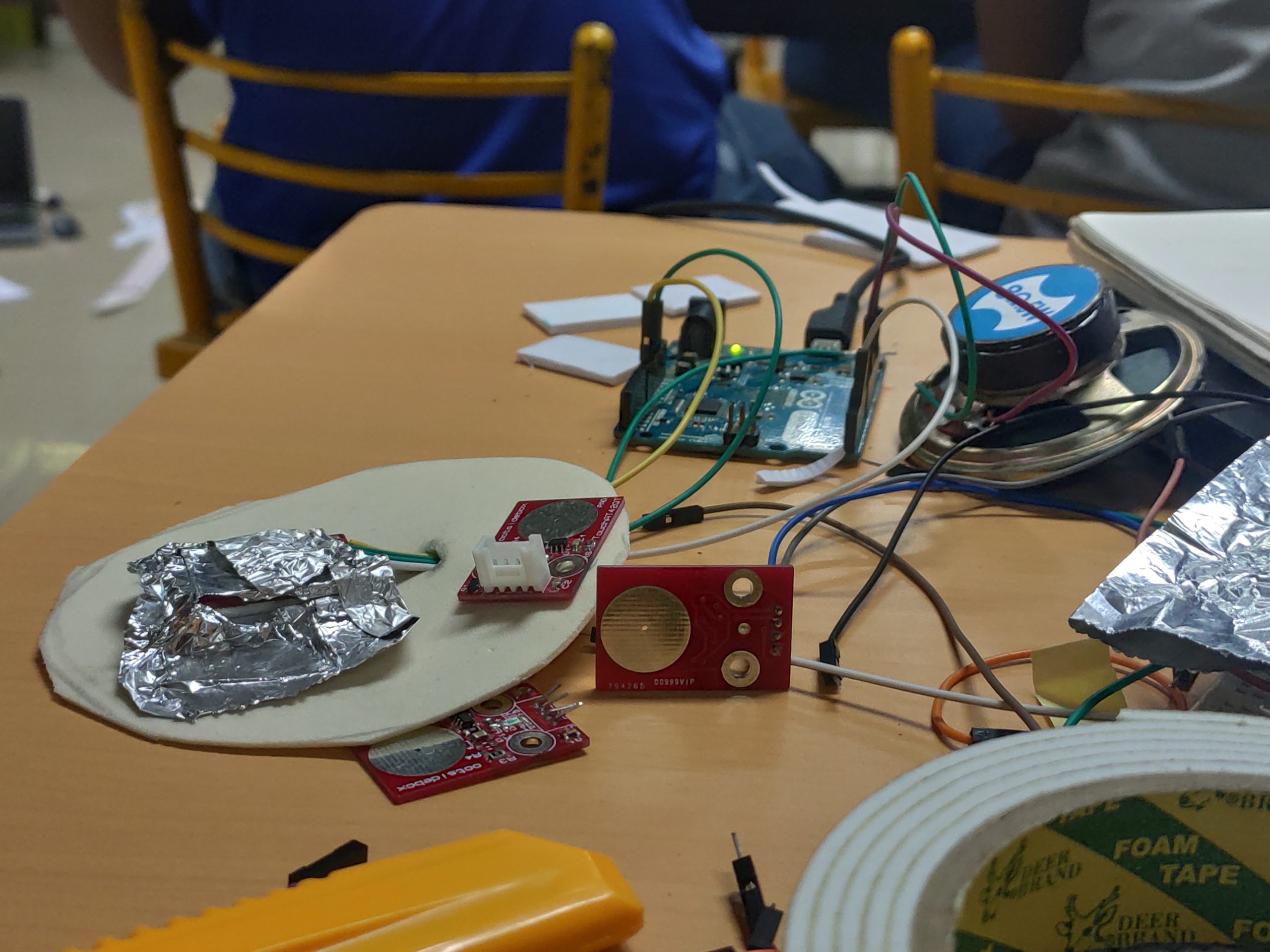
  The project resulted in a wearable drum suit embedded with 8 capacitive touch sensors, each corresponding to a drum component (Kick, Snare, Hi-Hat, Rack Toms, Floor Tom, Crash, Ride). When pressed, the sensors trigger the actual drum sounds via an Arduino microcontroller. The pads are placed ergonomically on a suit that is easy to wear and remove. This design ensures inclusivity while preserving the intuitive layout of a traditional drum kit. 

Additional Info

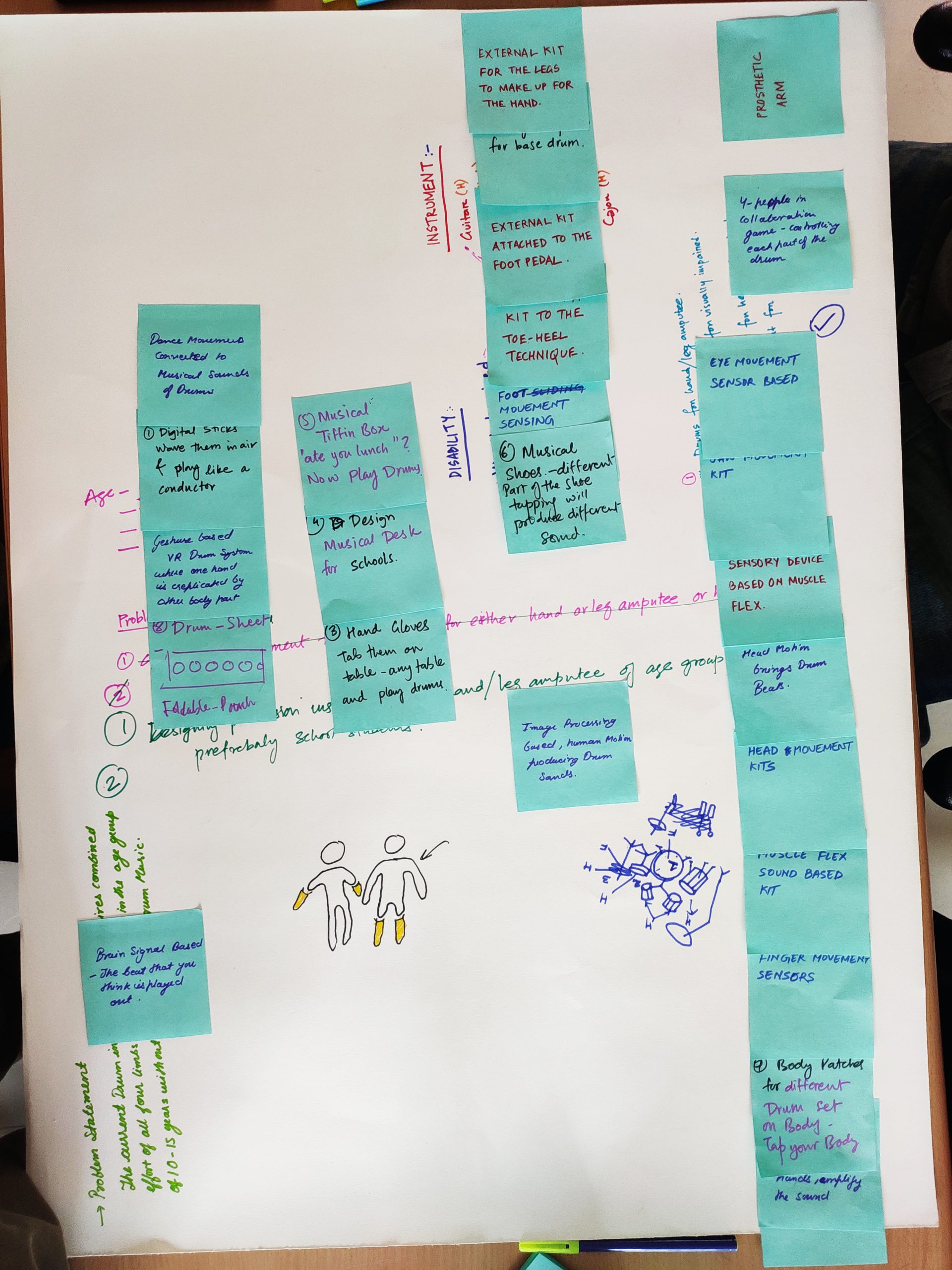
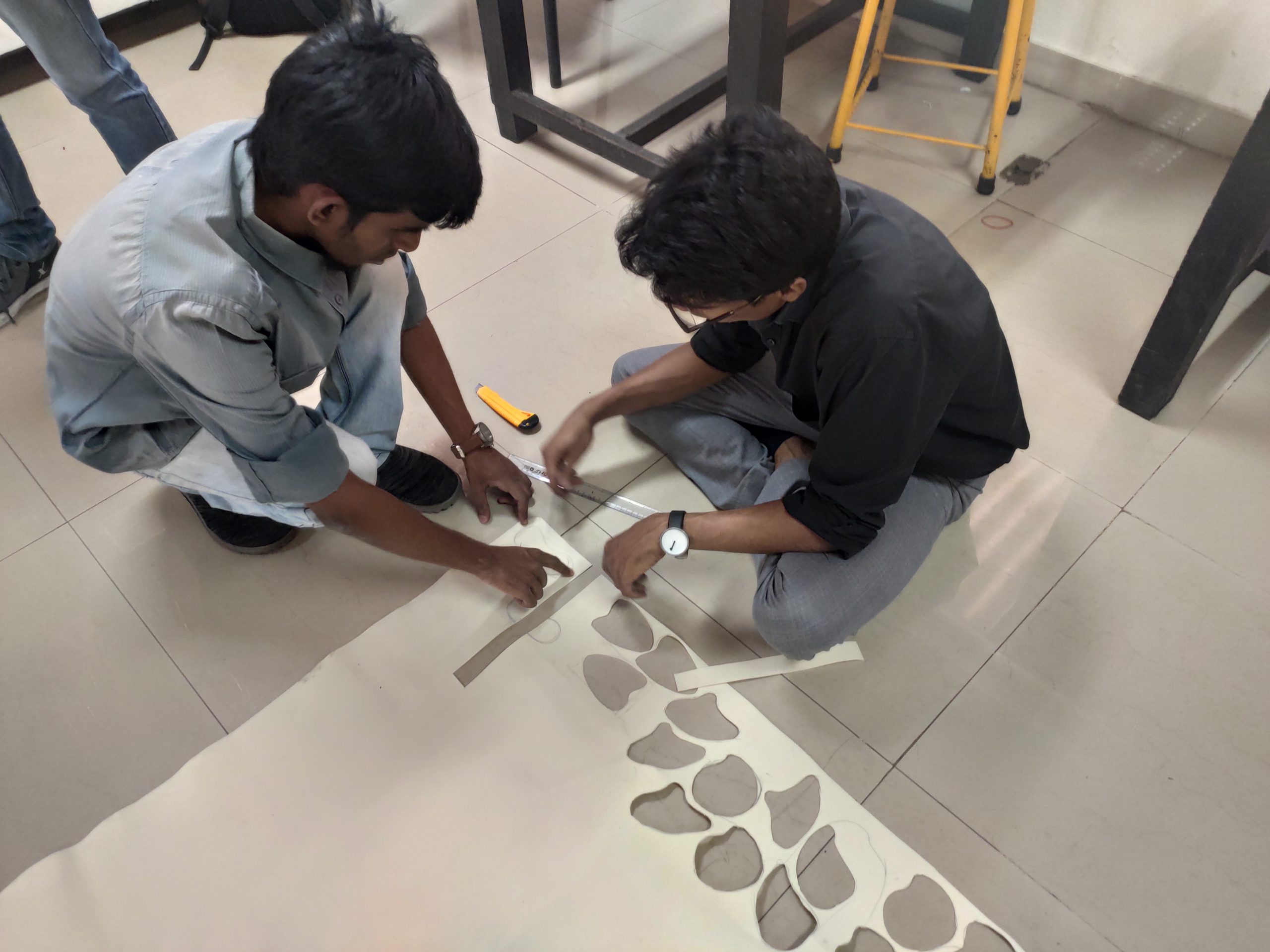
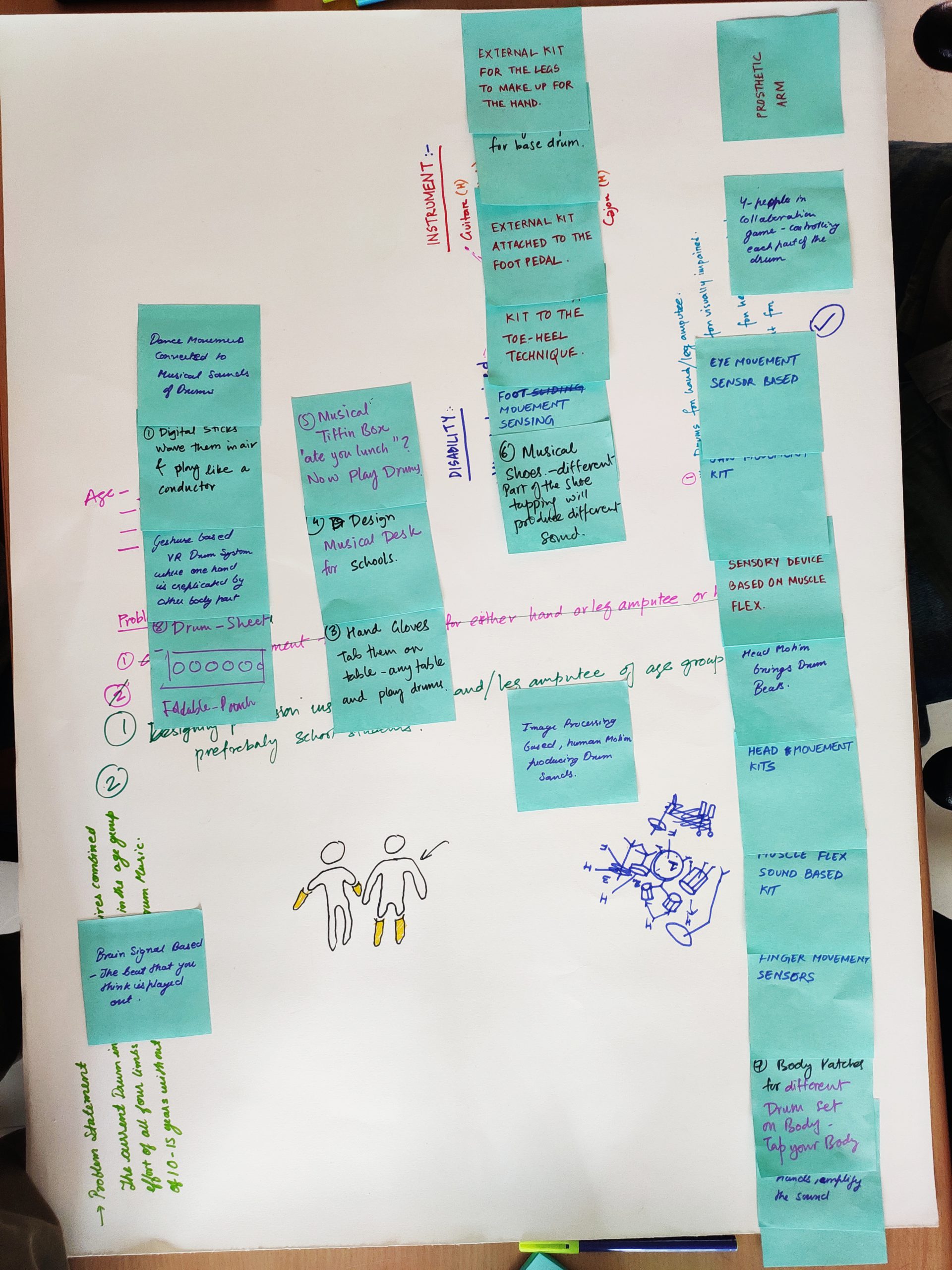
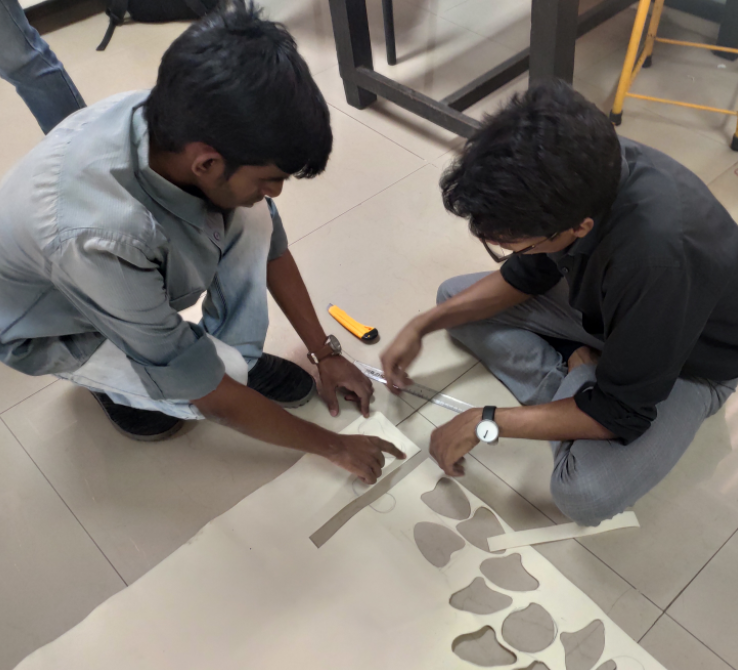
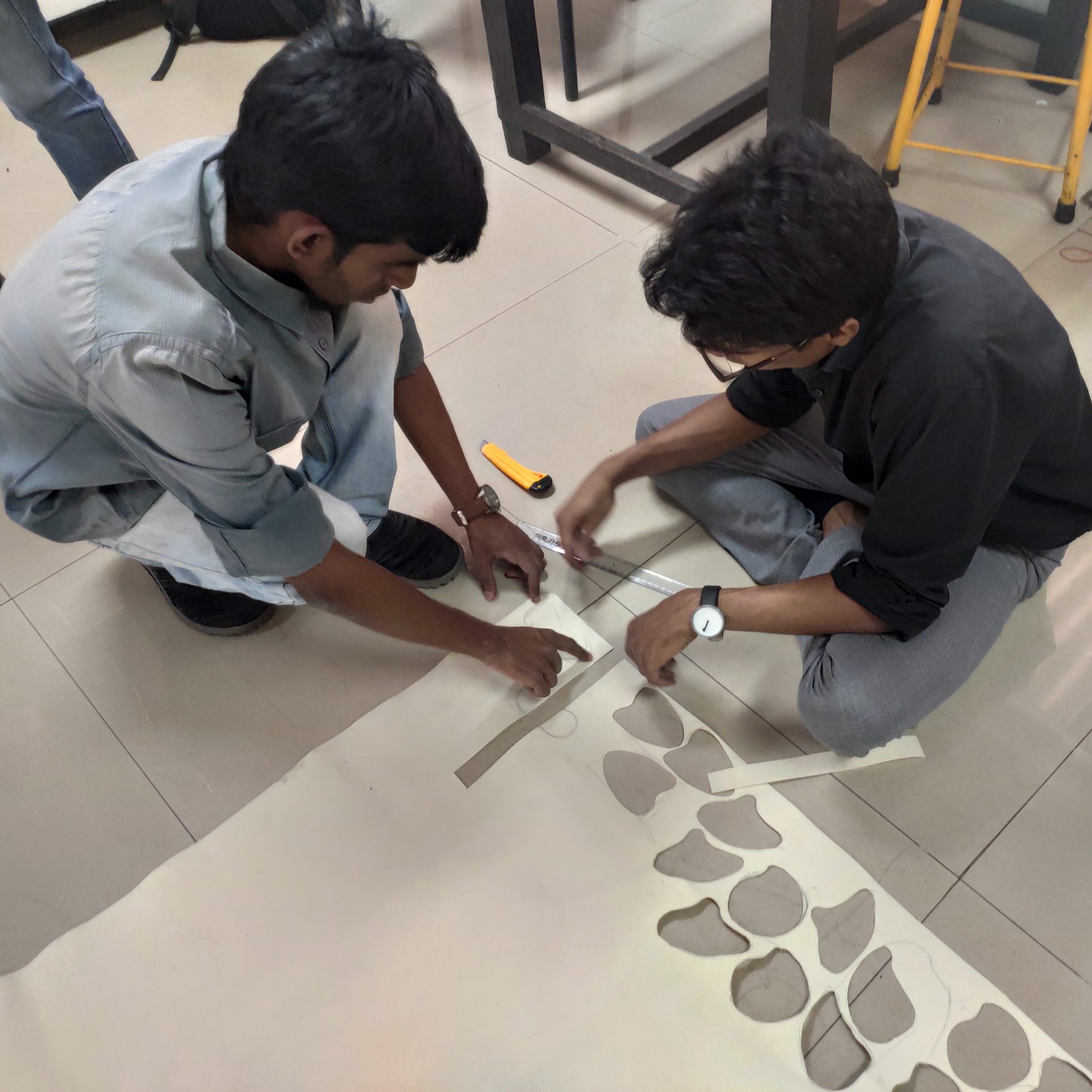
Ideation & Prototyping Brainstormed several ideas with the core goal of accessibility. Created a paper prototype to determine pad placement and material usability. Tested on both abled and differently-abled individuals—proved ergonomic and easy to play. Components Used Arduino Uno Capacitive Touch Sensors Amplifier Jumper Wires Breadboard Foam Sheet Laptop with Arduino IDE Note: The source code for both Arduino and Processing are available in the file named drum_suit.ino. Build Process Sensors were embedded in foam sheet layers. Connected to the Arduino Uno via jumper wires. Drum sounds were mapped and programmed to sensor inputs. The entire setup was integrated into a flexible, wearable suit. Outcome & Impact The drum suit allows children with different abilities to engage in music-making, building confidence, coordination, and creative expression. It’s usable by both visually impaired and sighted individuals and demonstrates how assistive tech can be joyful and inclusive.

Image Gallery

Built on Unicorn Platform