E.C.H.O

Problem Statement

Patients who are tracheostomised or have neuromuscular weakness often cannot speak, write, or gesture to communicate effectively. This creates emotional distress and hampers timely medical intervention. The personal experience of the maker’s grandmother during COVID-19, who couldn’t communicate due to prolonged mechanical ventilation, inspired the project.   

Contributors

Rhiaan Jhaveri
Feature image

About E.C.H.O

Solution

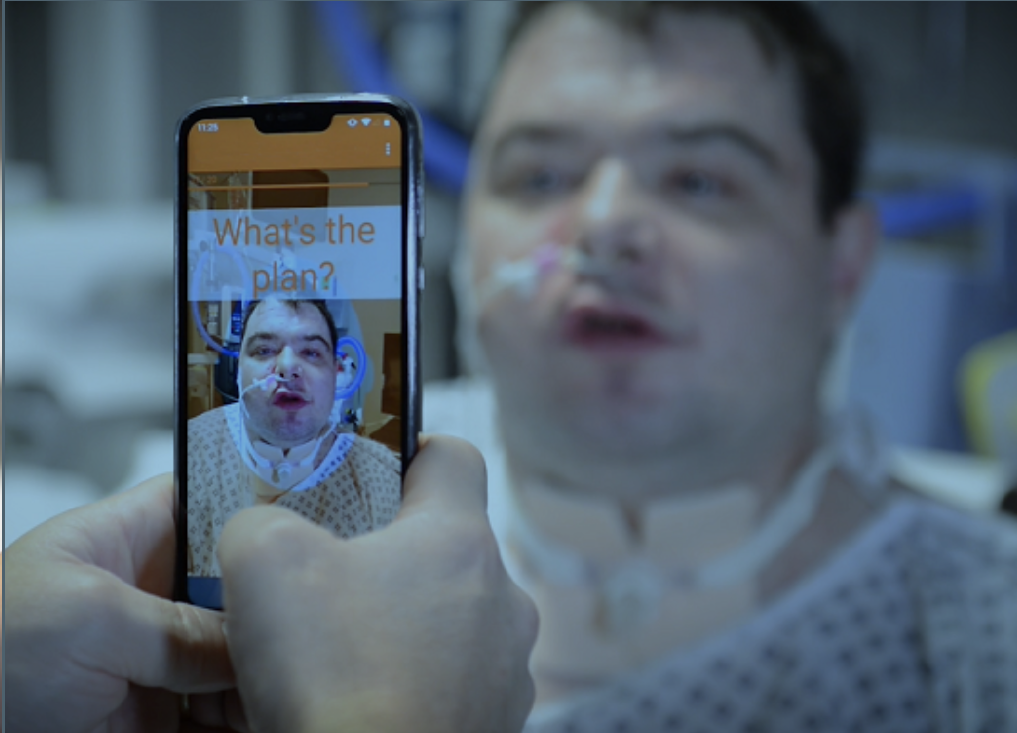
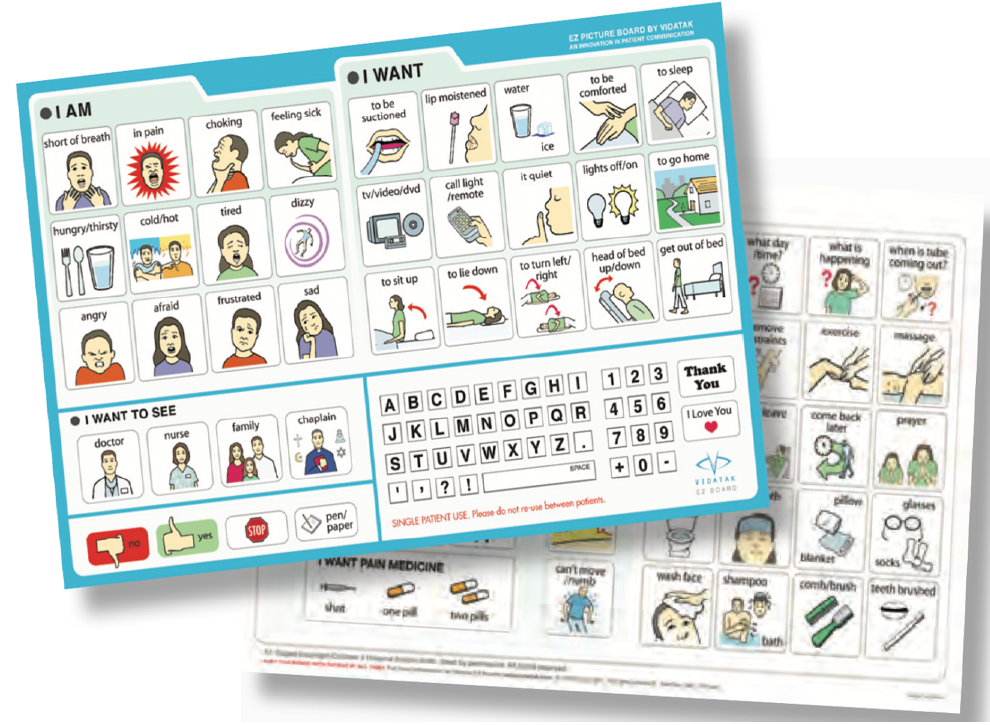
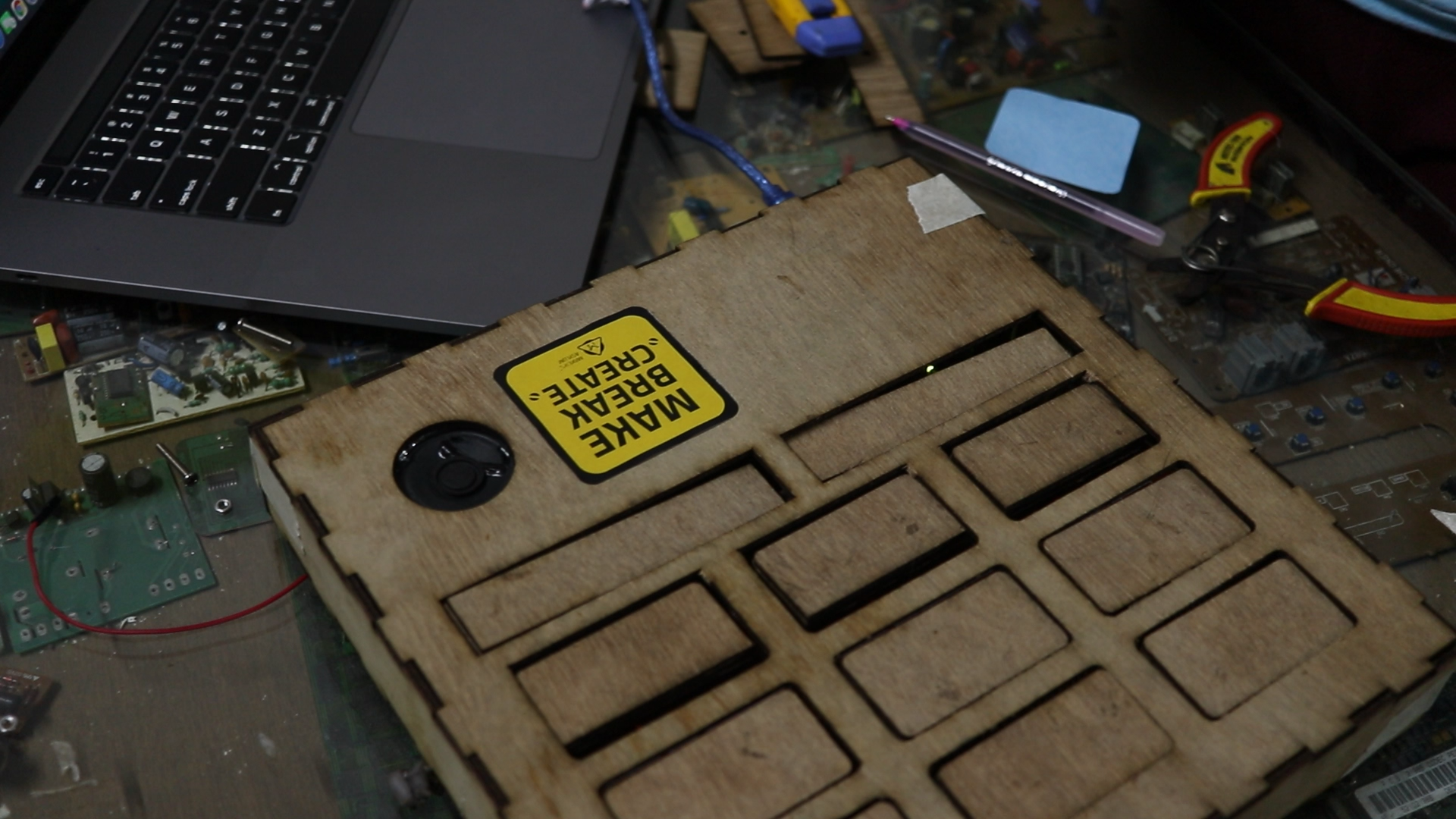
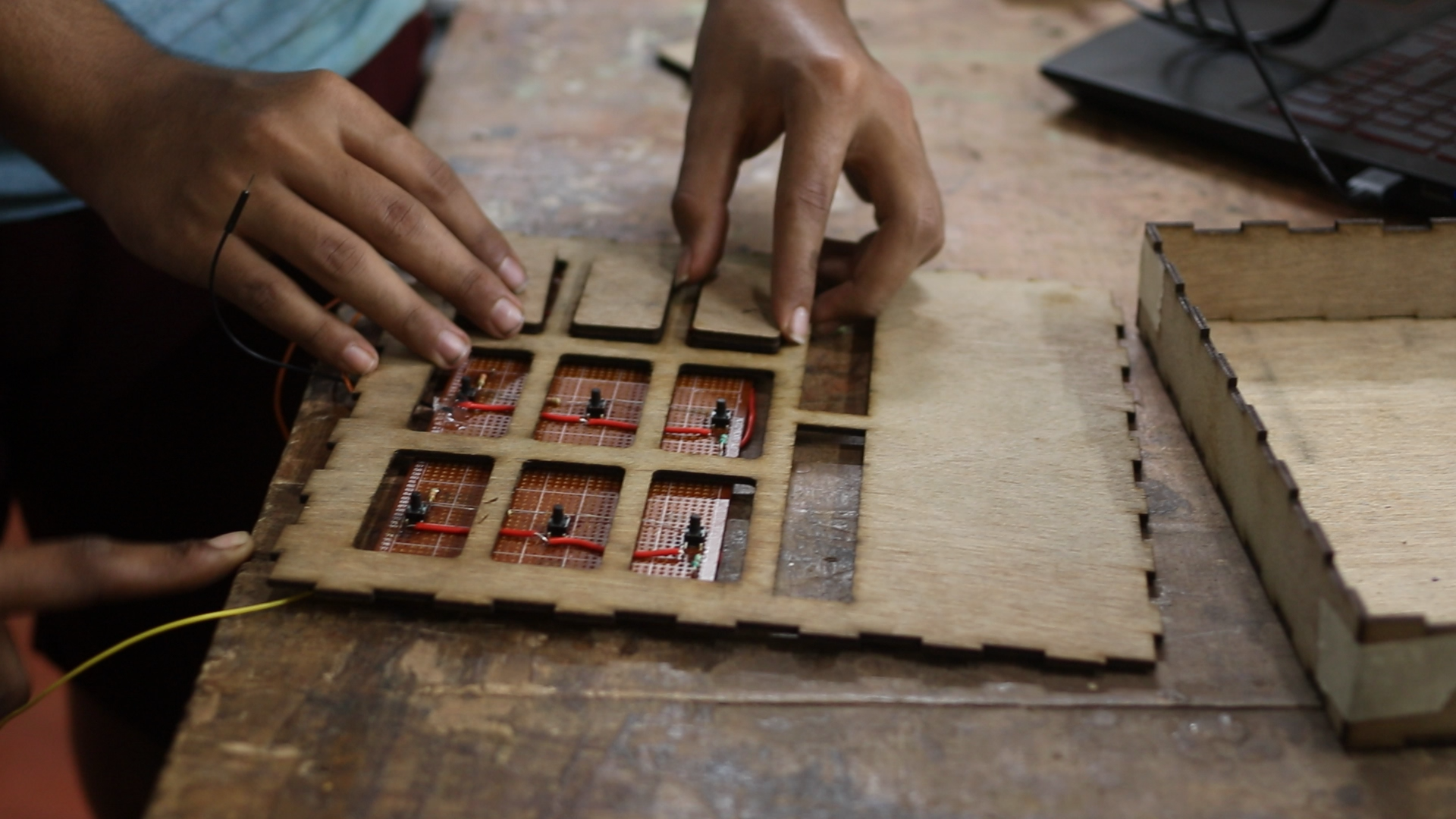
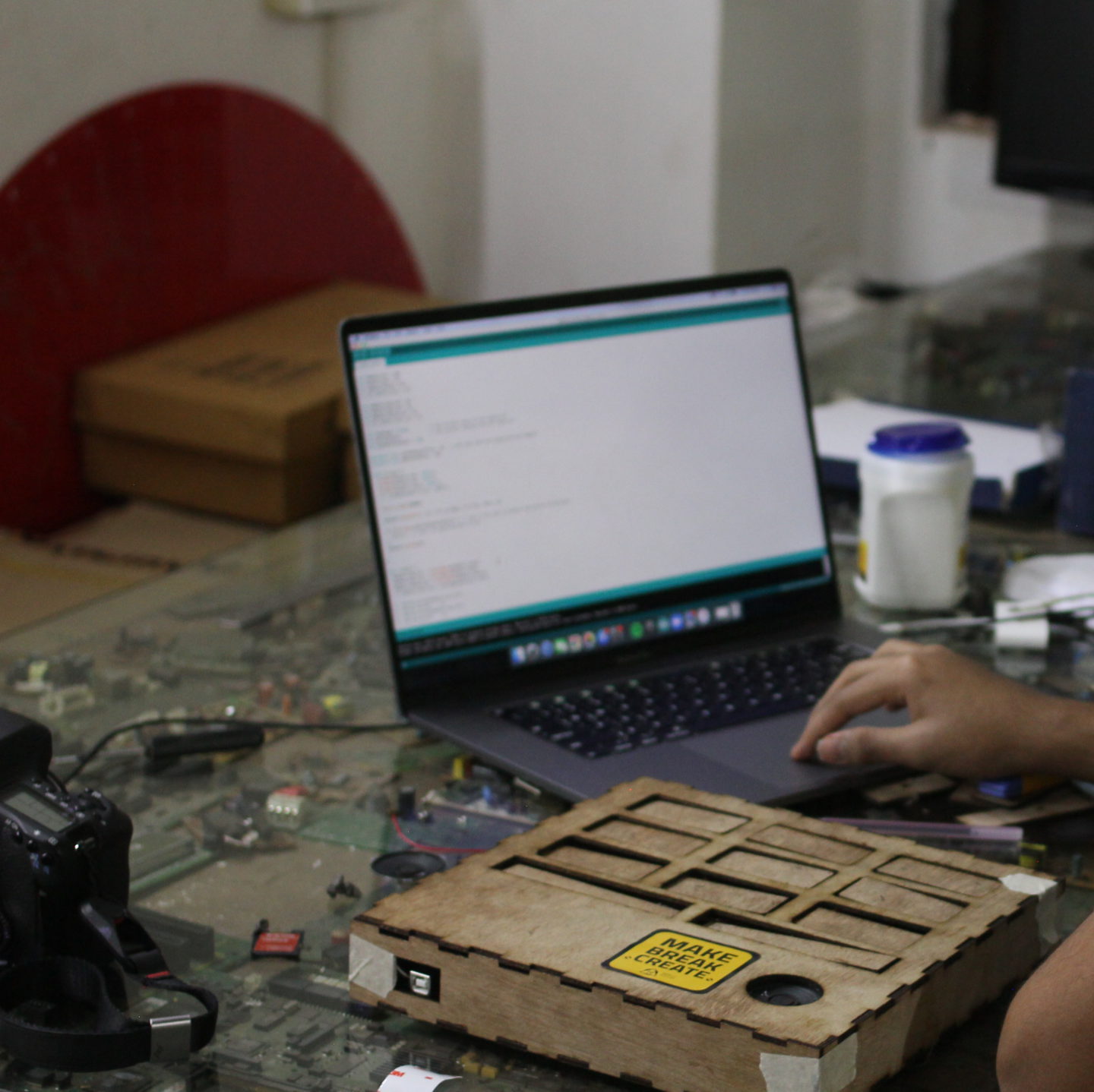
  A communication-assistive device designed for ICU and hospitalized patients that allows them to express essential needs and emotions using minimal input. It uses lip-reading technology (SRAVI) and predefined buttons for high-frequency commands like “water”, “food”, “change position”, etc. The device prioritizes large fonts and big buttons to support shaky hands. It embodies the philosophy of “less is more”, enabling effective communication using a limited set of essential commands. 

Additional Info

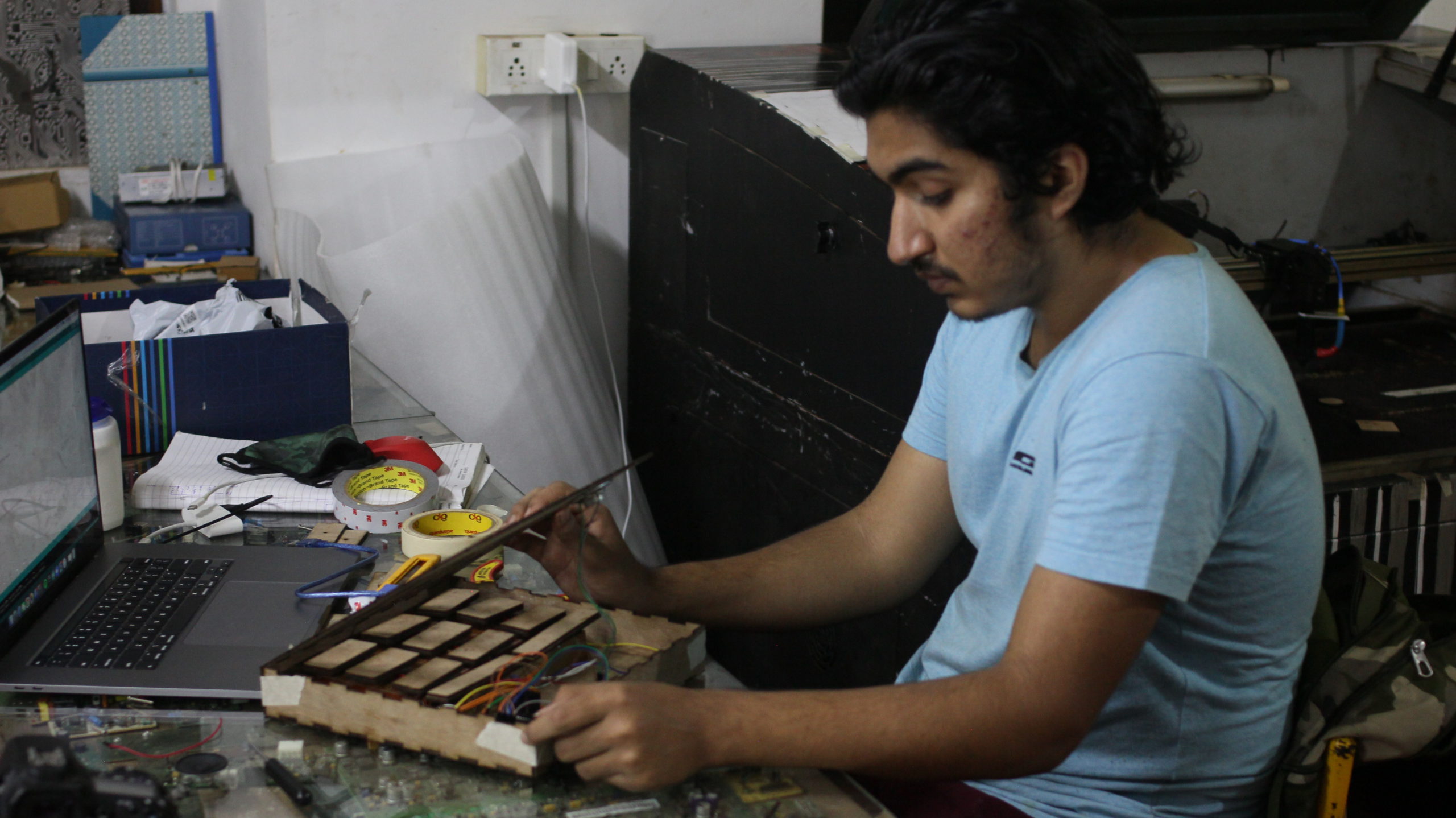
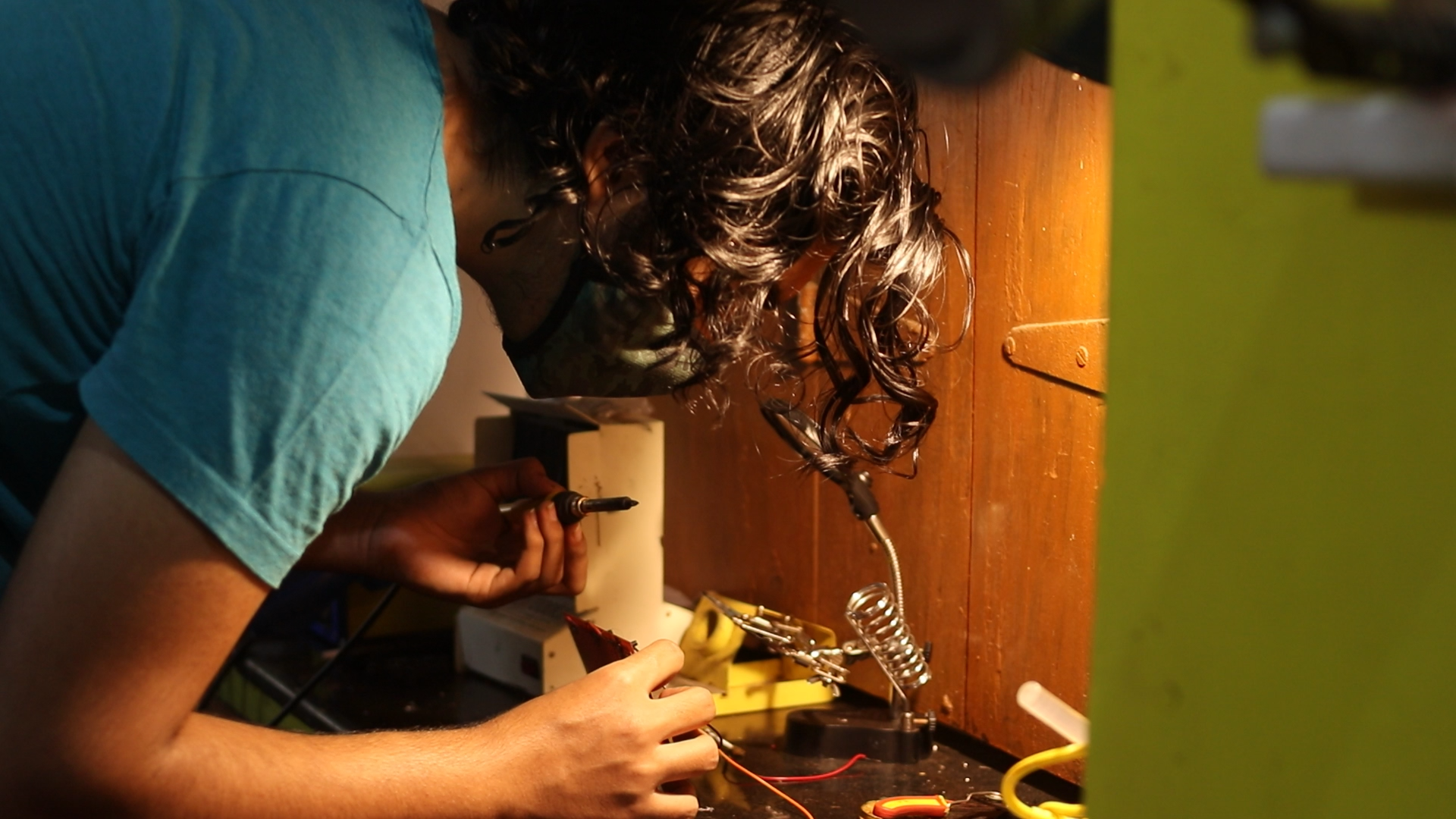
SDG Focus: SDG 3 – Good Health & Wellbeing Constraints Addressed: Inability to speak due to tracheostomy Neuromuscular weakness prevents writing or gesturing Tools & Skills Used: CAD, Electronics, Design Thinking, Programming, Soldering, Prototyping Design Philosophy: Emotionally empathetic and user-sensitive; focused on functionality over aesthetics Development Timeline: ~6 months

Image Gallery

Built on Unicorn Platform