Efficient River Waste Collection System: Sustainabin

Problem Statement

Design an efficient garbage collection system for rivers to address pollution and protect both human users and aquatic ecosystems.   

Contributors

Dipra Baid | Garvikaa Aggarwal | Madhav Menon
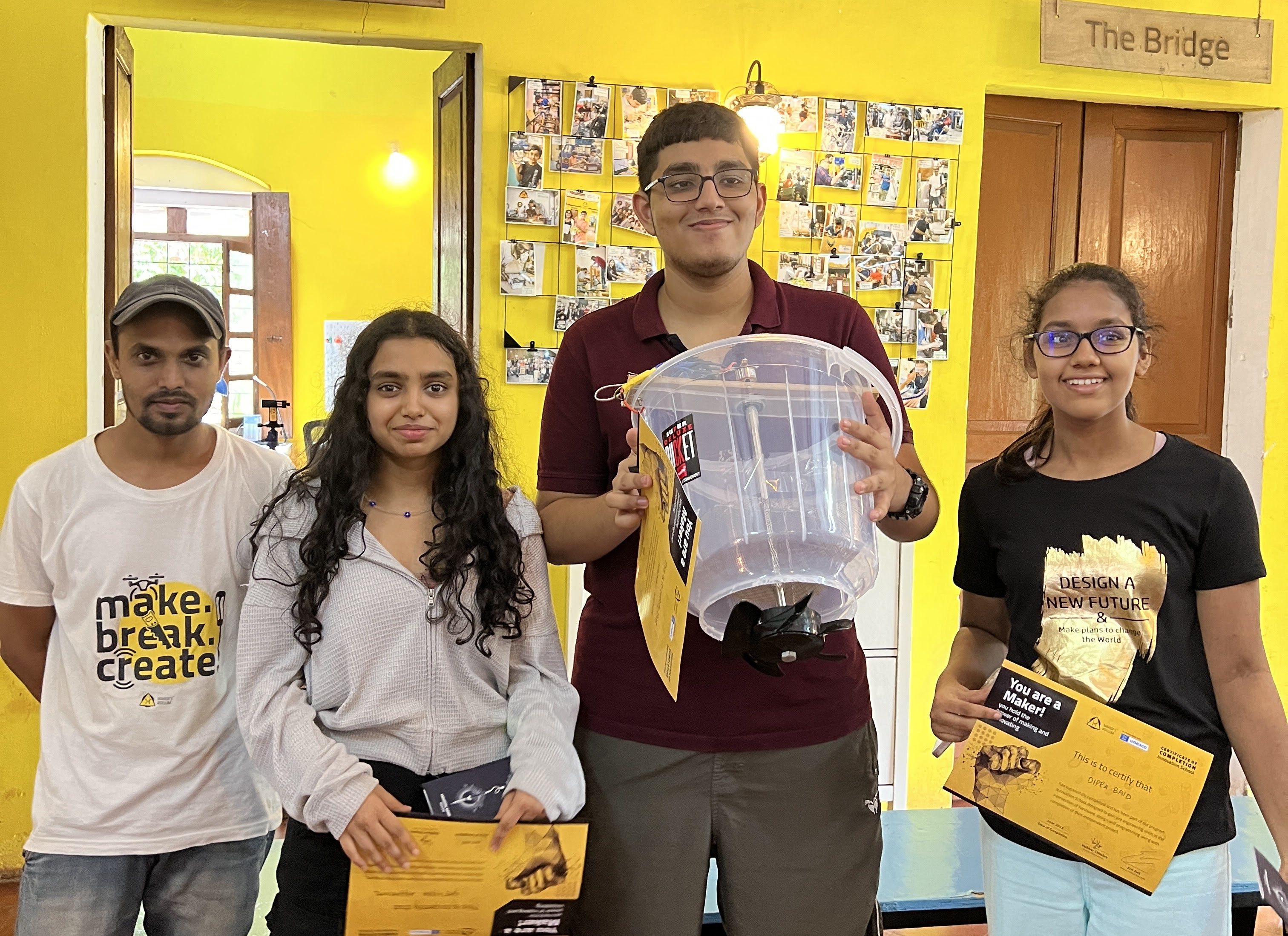
Feature image

About Efficient River Waste Collection System: Sustainabin

Solution

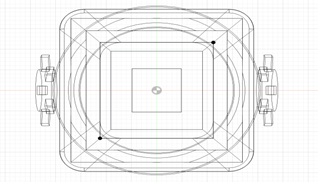
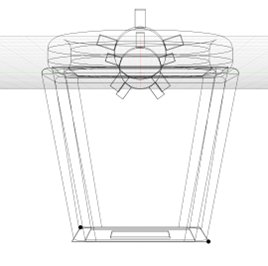
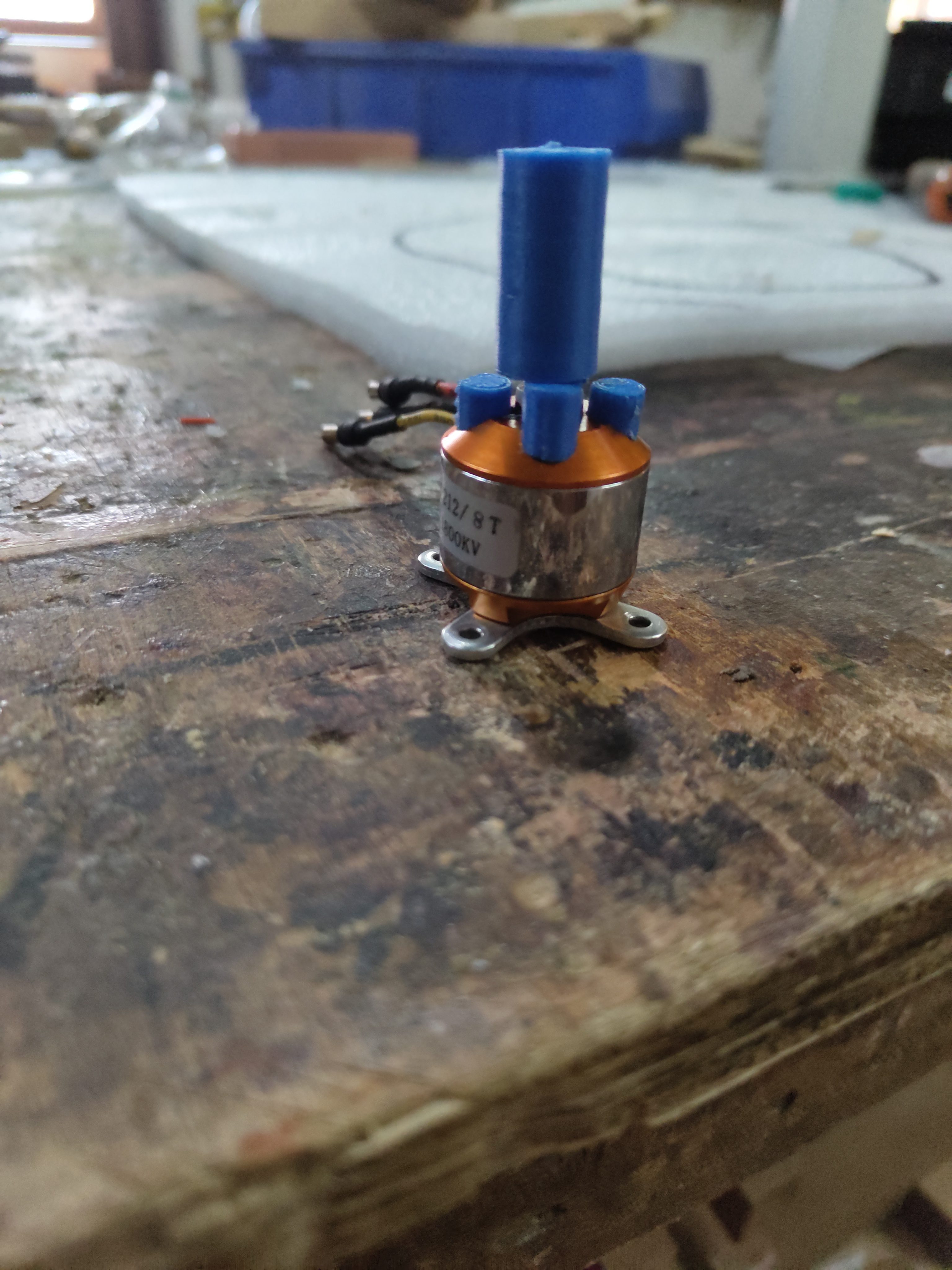
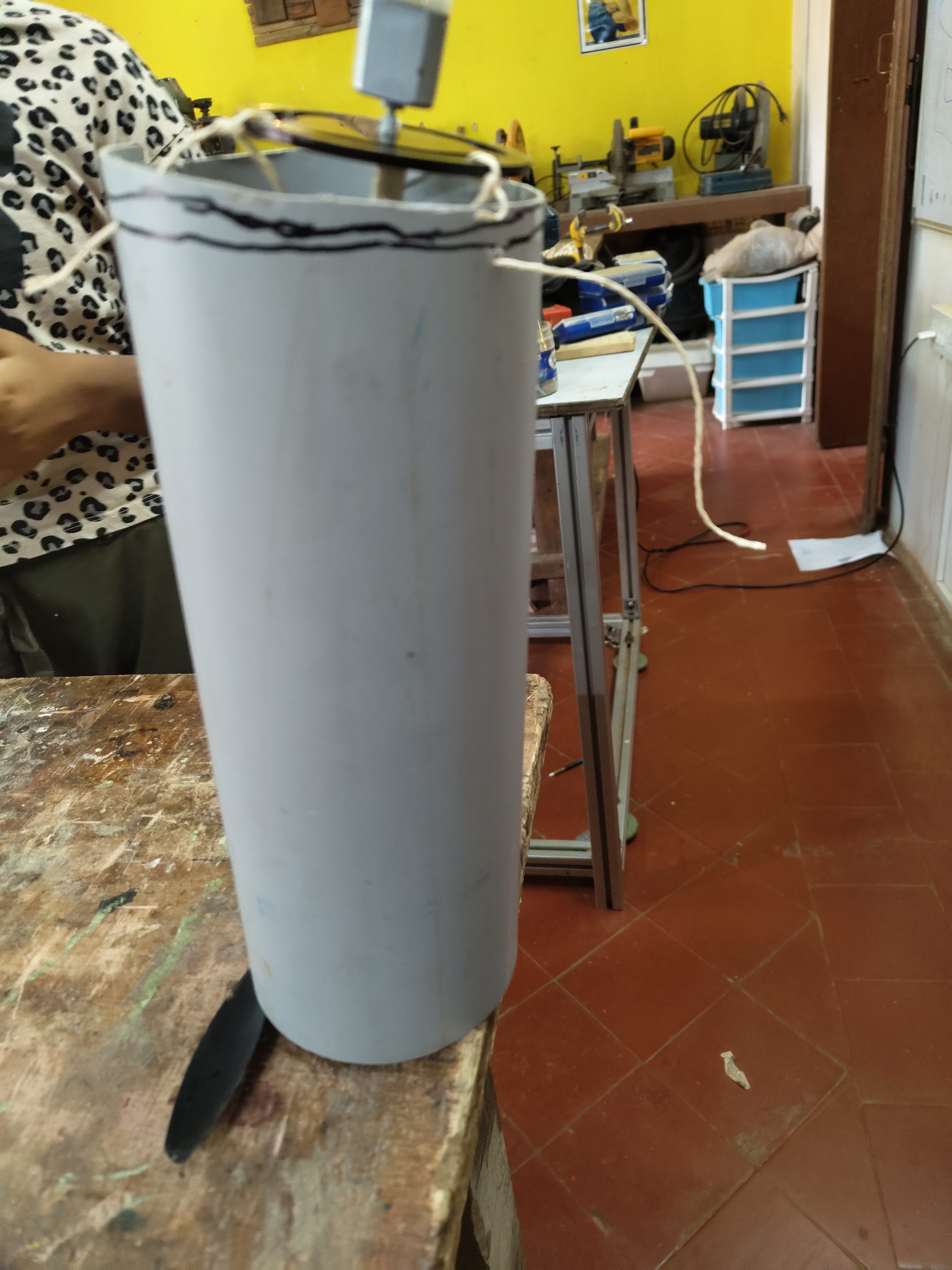
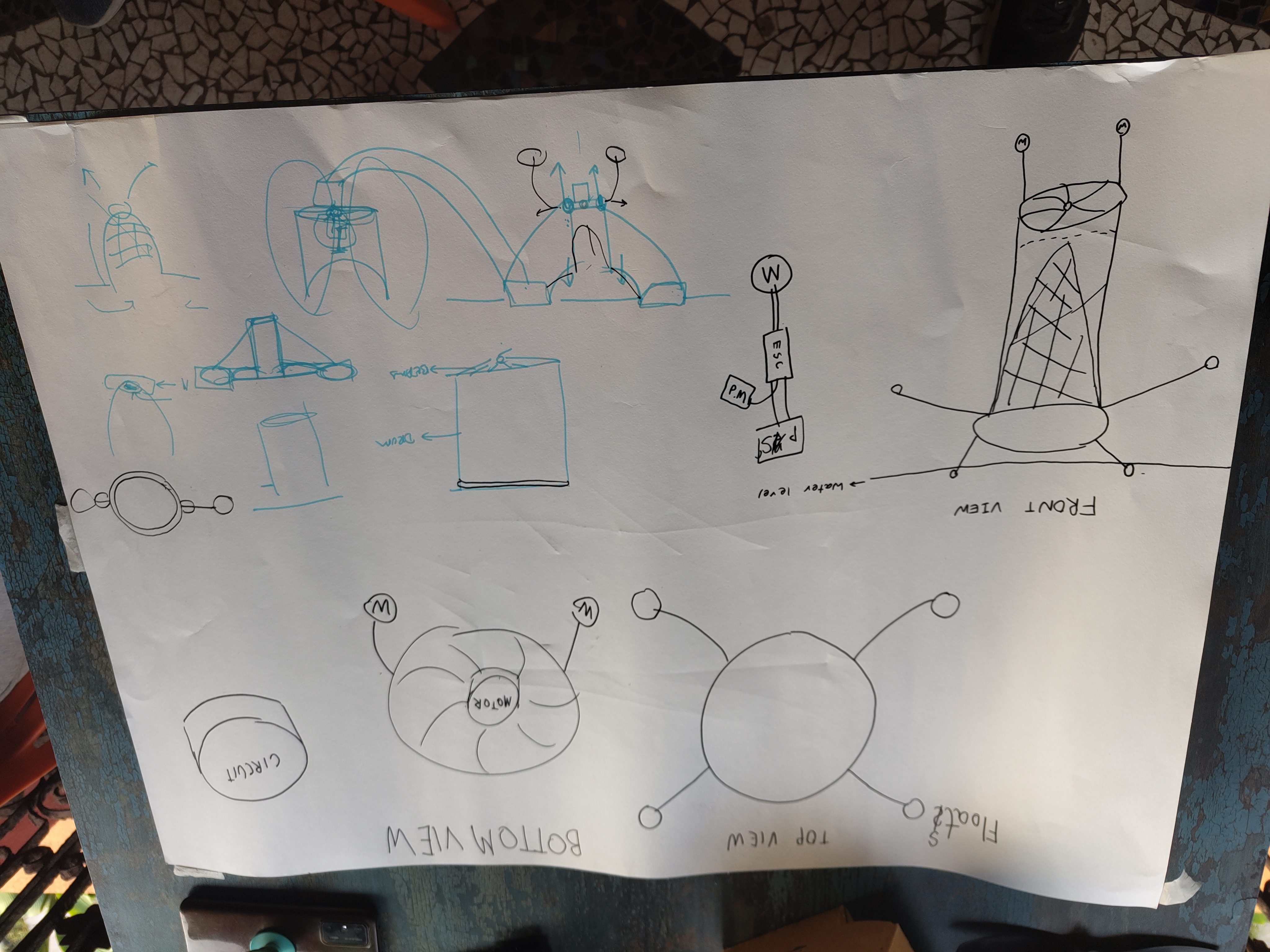
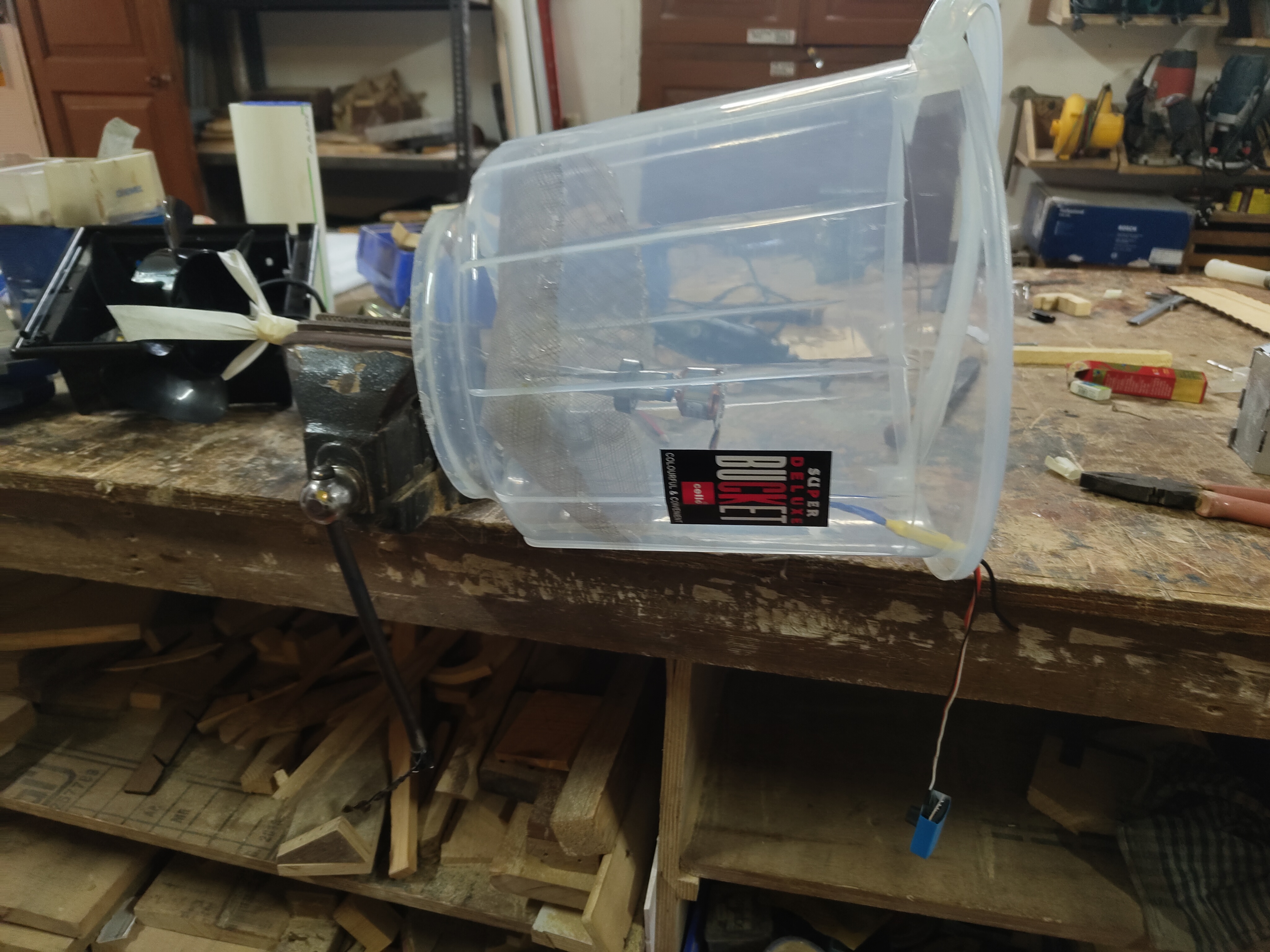
  Motor placed above water to prevent damage, connected to submerged propellers A metal net captures microplastics and medium-sized waste like bottles and packets Uses floats and weights to remain stable despite anti-torque forces Daily manual emptying of the bin ensures sustained operation Design minimizes ecological disturbance and supports aquatic life health 

Additional Info

Idea: Develop a low-cost, sustainable river waste collection device that uses motor-driven vortex mechanisms to direct floating waste into a collection bin. The system is intended to incentivize clean-up efforts, reduce aquatic pollution, and preserve biodiversity. SDG in Focus: Goal 14: Life Below Water Protect oceans, seas, and aquatic resources from pollution and degradation due to climate change and human activity. Constraints Considered: Requires a powerful motor to create a water vortex for garbage direction. Must maintain stability and upright position to prevent waste from spilling back into the river. Needs a durable, marine-grade net capable of holding large volumes of pollutants. Propeller design should prevent harm to aquatic organisms. Consideration for anti-torque effects, float positioning, and shaft mechanism. Must be cost-efficient and easy to maintain. Initial Solution & Issues: The first prototype used: A floating ring structure (Styrofoam) with water wheels for tidal power Proposed addition of a solar panel, later discarded A net inside to collect waste However, it failed due to: Plastic waste floating on top, not entering the net Waves created by the device diverted waste away from the bin Complex tidal power circuitry was impractical

Image Gallery

Built on Unicorn Platform